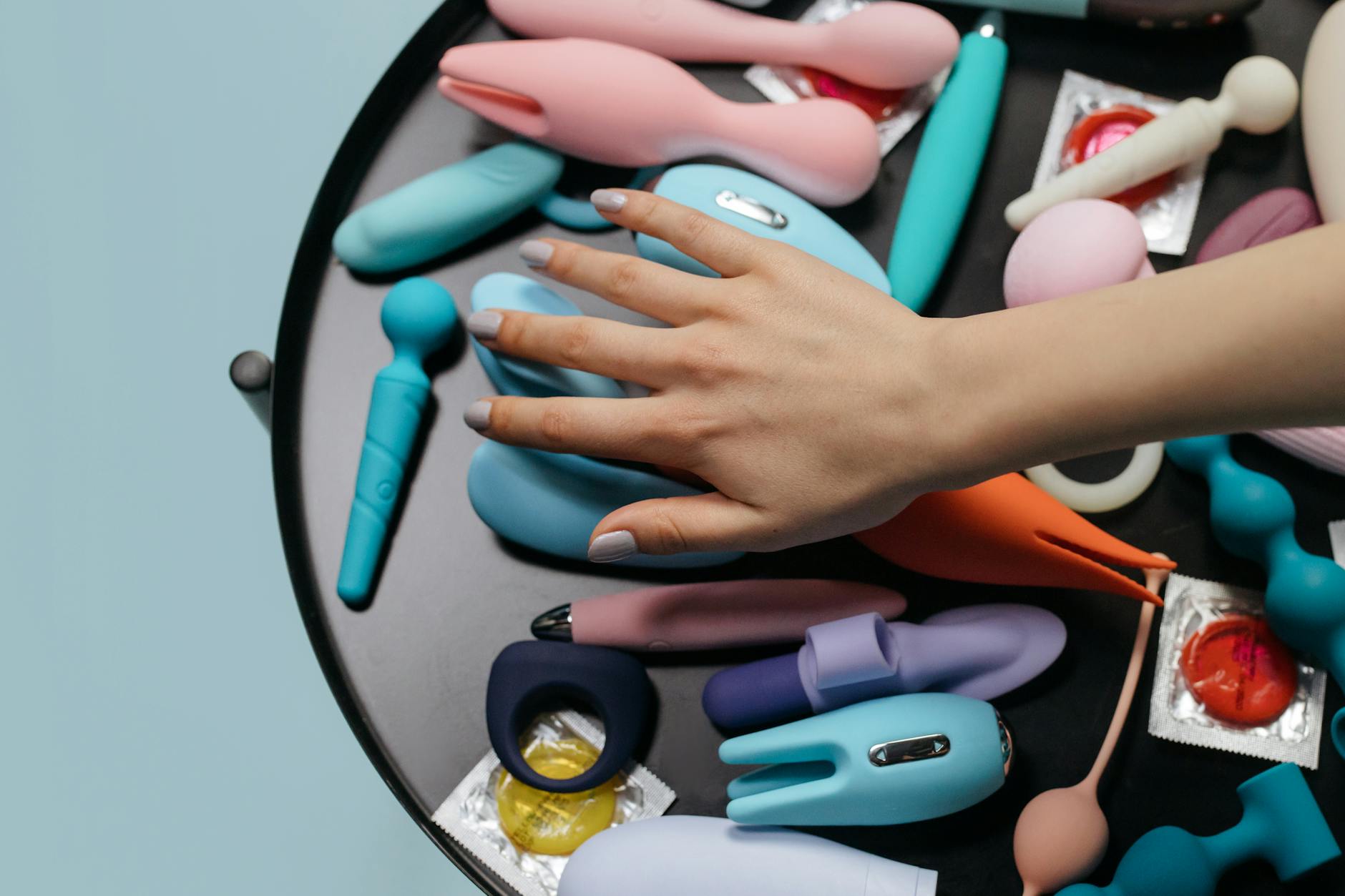
Let's start with the real barrier
Your partner isn't hesitant about lemon vibrators because they don't understand how they work. They're hesitant because somewhere in the conversation, the word "toy" triggered something deeper. Maybe it felt like criticism. Maybe it sounded like you were saying their body alone wasn't enough. Maybe they're worried it means something's wrong with them, or with you two.
Those feelings are normal. And they're not about the vibrator at all.
What hesitation actually signals
When someone resists the idea of introducing toys into partnered sex, they're usually protecting one of three things: their ego, their sense of intimacy, or their identity as a lover. These are reasonable things to protect. The job isn't to bulldoze past them. It's to separate the toy conversation from the fear conversation.
Here's what I see clinically: couples who frame toys as "we're broken" or "you're not enough" create resistance. But couples who frame toys as "I want more of this with you" or "I'm curious about this together" move past it. The second frame is actually true. Lemon vibrators aren't replacements. They're amplifiers.
Start with the conversation, not the product
Picking the right moment is half the work. Don't bring this up mid-conflict, during sex, or when you're both stressed. You want mental clarity on both sides. Ideally, you're sitting down together with tea or wine, not naked, and you've given them a heads-up: "I want to talk about something that's been on my mind. Nothing's wrong. I just want to explore it with you."
That opening sentence matters. You're signaling safety before you introduce the idea.
Then lead with curiosity, not demand. "I've been thinking about pleasure lately, and I'm wondering if you'd be open to exploring something new together." Not "I want to buy a vibrator." Not "You should try this." Just an opening question that gives them agency.
Listen to their first response without defending. If they say "I don't know" or "That sounds weird," that's not rejection. That's hesitation. There's space in hesitation. Ask what they're worried about. Often you'll hear one of three things:
- "I feel like I should be enough."
- "That seems clinical or weird."
- "I'm not sure how it fits with us."
Each one has a different answer.
Reframe what the toy actually does
If your partner says "I should be enough," the response is honest and direct: "You are enough. That's not what this is about. This is about me wanting more pleasure, and wanting you to be part of how I get there. That's closer, not further." Then tell them specifically what you want. "When I use lemon vibrators solo, I feel this specific kind of sensation I can't get another way. I want to feel that with you here. I want us to explore it together."
That's not saying they're inadequate. You're saying you want them included in something you enjoy.
If they say it sounds clinical, your job is to desexualize the tool. "It's literally just a way to concentrate sensation. The Lem uses suction instead of vibration, so it feels completely different. But the point isn't the toy. The point is us in bed together, trying something new." They might be more comfortable if they understand how lemon clitoral vibrators work technically. Some people feel less vulnerable when they understand the mechanics.
If they're unsure how it fits, be specific about what you're imagining. "I'm thinking we'd use it during foreplay, and you'd still be touching me. I'd still want your hands on me. It's an addition, not a replacement." Paint a picture where they're not left out or replaced. Make them central to the scenario you're describing.
Pick the right introduction method
Honestly, the worst way to introduce lemon vibrators is to surprise your partner with one. I've seen it backfire more times than it's worked. Instead, show them first without the pressure to use it immediately.
You might say something like: "I looked at a few things online, and there's this toy that actually appeals to me. It's called the Lem. Want to just see what it looks like?" No sales pitch. No pressure. Just visibility.
Let them hold it, look at it, ask questions. When you remove the mystery, you remove a lot of the anxiety. People are often hesitant about something they can't visualize. Once they can touch it and see it's not some industrial-looking thing, the resistance often drops.
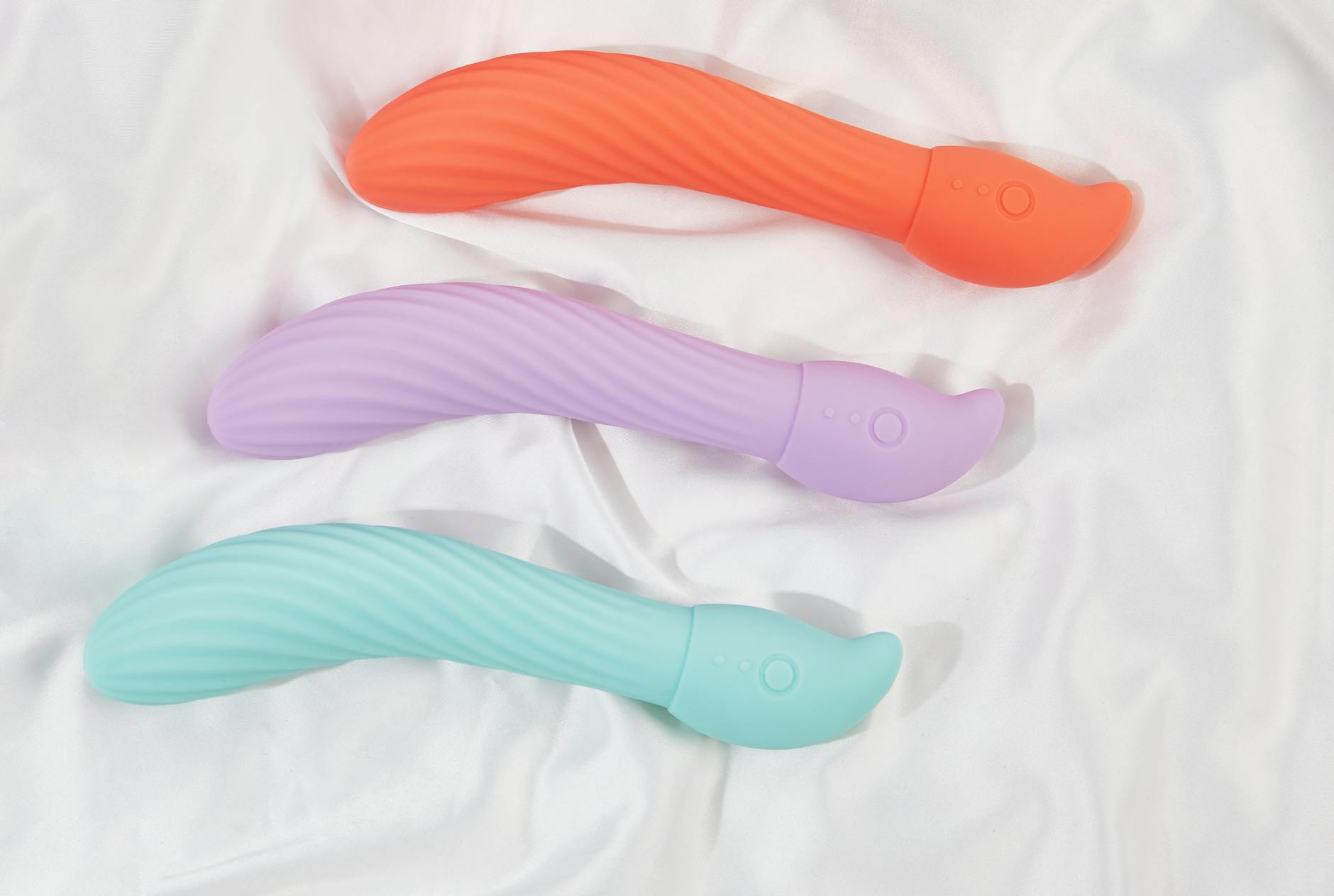
Photo by IFONNX Toys on Pexels
Make it about exploration, not performance
When you finally move into trying lemon vibrators together, the framing is crucial. This isn't a test. You're not performing. You're both learning. And your partner's role matters.
My suggestion: start with them involved in the setup. Let them be the one who applies lube. Let them hold it. Give them a choice about where they sit or stand. Agency reduces anxiety significantly.
Then start low and slow. Set an expectation that this first time might feel weird or awkward, and that's fine. You're not trying to have the best orgasm of your life. You're gathering information about what you like and what feels connected.
Here's the thing nobody tells partners: watching your partner use a toy can actually feel intimate if the framing is right. You're witnessing vulnerability. You're being invited into their pleasure. That's not rejection. That's deep trust. If you can help your partner see it that way, resistance often melts.
Address the specific fears directly
Some partners worry that if you use lemon vibrators with them, you'll prefer the toy to them. This is worth naming outright. "Here's the truth. A vibrator can do one thing very well. But it can't kiss you. It can't hold you. It can't feel your body responding to me. What I want is you and the vibrator together. That's a completely different experience."
Others worry that you're bored. That's also worth a direct answer. "I love sex with you. This isn't about boredom. It's about curiosity. I want to see what else we can feel together." If you can ground this in genuine enthusiasm about shared exploration rather than solo pleasure, it lands differently.
And some partners worry it means you're kinky or weird or that sex is supposed to be a certain way. Normalize it: "Lots of couples use toys. It doesn't mean anything about either of us. It just means we're interested in pleasure and in each other. That's actually pretty healthy."
Give it time
Sometimes acceptance isn't immediate. Your partner might say yes, try it once, and then need to sit with the experience for a week before they're ready again. That's normal. Don't push. Check in occasionally without pressure: "That was interesting. No pressure, but if you ever want to try again, I'm open to it."
Over time, hesitation often becomes curiosity, then comfort, then enthusiasm. I've worked with so many couples where the partner who was most resistant ended up being the one who wanted to use lemon vibrators more often. Resistance isn't permanent. It's usually just a request to slow down and explain what's happening.
The deeper truth is this: introducing lemon vibrators to a hesitant partner is really a conversation about trust, communication, and whether you can ask for what you want and have your partner meet you there. The vibrator is just the object. The real work is making sure both of you feel safe, seen, and central to the experience. That's the conversation worth having.
FAQ
How do I bring up lemon vibrators without making my partner feel bad?
Lead with curiosity and desire, not criticism. Frame it as "I want more of this with you," not "You're not enough." Pick a calm moment when you're both relaxed, not during sex or conflict. Start with a question, not a demand: "Would you be open to exploring something new together?" Then listen to their hesitation without defending.
What if my partner says no?
Respect that boundary. But ask what specifically they're uncomfortable with. Is it the toy itself, the idea of you using something solo, or the loss of control? Understanding the root fear makes it easier to address. You might also circle back in a few months. People's comfort levels shift. Pushing when someone's said no just builds resentment.
Should I use lemon vibrators alone first before introducing them to my partner?
It helps. If you understand how they feel and what sensations you enjoy, you can explain it more confidently and specifically. You're not trying something totally new in front of your partner. You already know what you like, so you can focus on the connection piece. Plus, when your partner hears genuine enthusiasm about your own pleasure, hesitation often shifts.
How do I make sure my partner doesn't feel replaced?
Make them central. They apply lube. They choose where they sit. They hold the toy sometimes. They watch. They touch you. The toy isn't about you going solo. It's about shared exploration. When your partner is physically and emotionally involved, replacement fears usually disappear.
What if my partner tries lemon vibrators once and doesn't want to again?
That's data, not failure. Ask what felt off. Was it physically uncomfortable? Emotionally weird? Did they feel left out? The answer tells you how to adjust. Maybe they need more foreplay first. Maybe they need to be more hands-on. Maybe it's just not their thing, and that's okay too. You can use solo toys and have partnered sex separately. Both are valid.
How long before my partner comes around to the idea?
It varies. Some people shift in one conversation. Others need weeks or months to sit with it. Patience is your friend. Keep the door open with occasional, low-pressure check-ins. And remember: hesitation isn't permanent. It's usually just a request to move slower and explain more clearly.