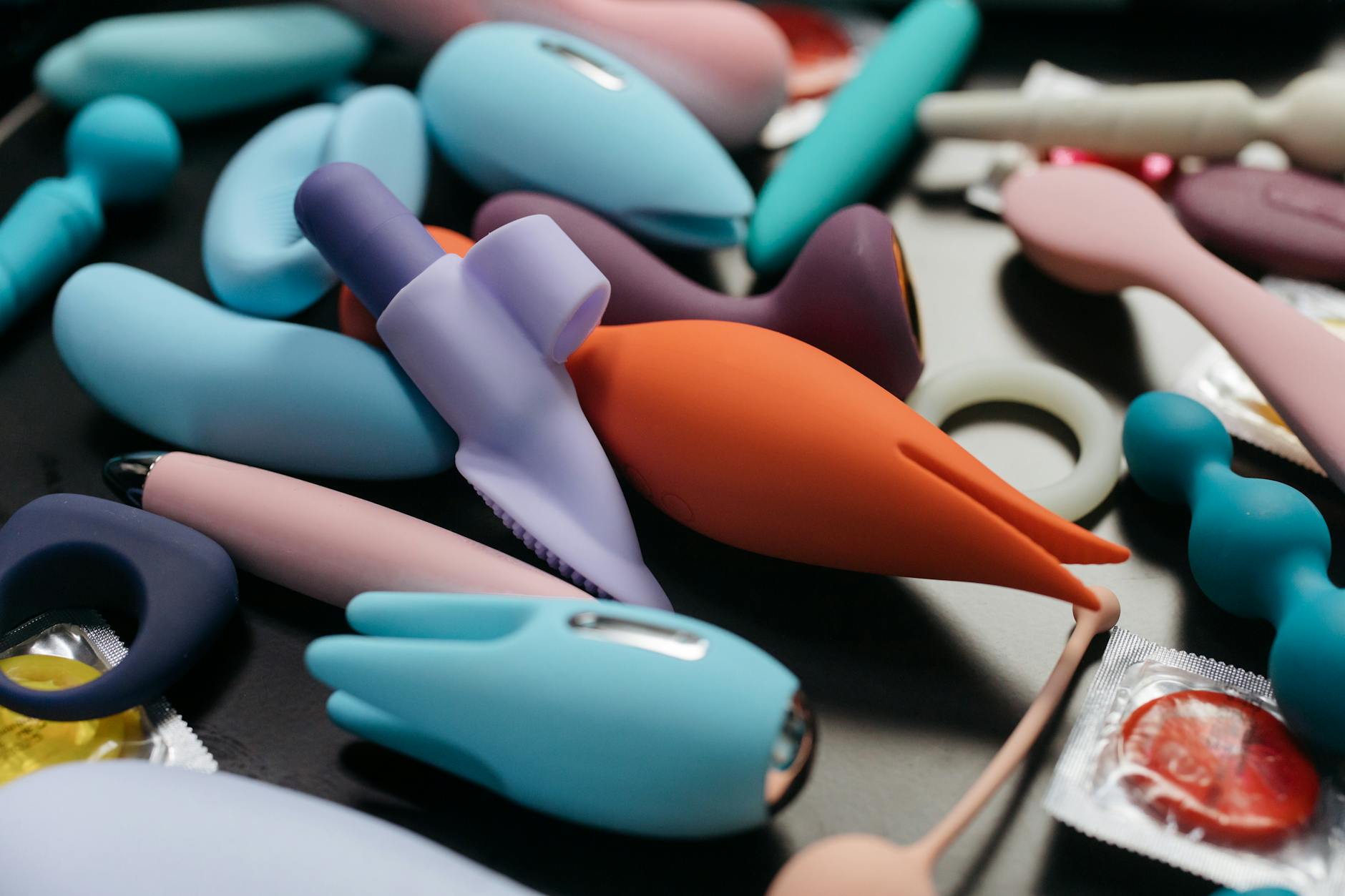
The thing nobody tells you about new relationships and toys
Introducing a lemon vibrator early in a new relationship feels high-stakes. You worry he or she or they might feel replaced, inadequate, or like you're hinting that something is missing. That anxiety is real. It's also almost always wrong.
Here's what actually happens when you bring a lemon clitoral vibrator into a new partnership with honesty and timing. You're not saying "I need this instead of you." You're saying "I trust you enough to share what makes my body feel good." That's vulnerability. That's the foundation of actual intimacy.
Why new relationships are actually the best time to introduce this
Countintuitive, right? But stick with me.
In early-stage relationships, you're both still establishing what sex looks like together. The patterns aren't set yet. Neither of you has years of habit or assumption built in. You're literally writing the script right now. Adding a lemon sucker toy or lemon sexual toy at this stage isn't disrupting a dynamic. You're building one that includes pleasure for both people from the start.
Comparison with longer relationships: After five years together, introducing a toy can feel like an accusation. "Why now?" "Did something change?" "Are you unhappy?" New relationships skip that minefield entirely. You're not changing anything because nothing is established yet.
The conversation that actually works
The worst approach is bringing it up during sex. The second worst is bringing it up right before sex. The right time is a regular conversation, clothed, not in bed, maybe over coffee or while doing something low-pressure together.
Here's the script that lands:
"I've been using lemon clitoral vibrators for a while now and they feel really good. I'd like to use one with you sometimes. Not instead of us, just as part of how we explore things together. Would you be open to that?"
Notice what's in there: you own the history (you've used it before, so it's not about him or her or them), you're being specific about the tool (lemon vibrators are a category, not a mystery), you're clear about intention (exploration, not replacement), and you're asking, not telling.
Most partners say yes. The ones who hesitate usually aren't bothered by the toy itself. They're worried about what it means. Address that directly: "This isn't about you not being enough. I just respond really well to this kind of stimulation, and I want to feel that with you."
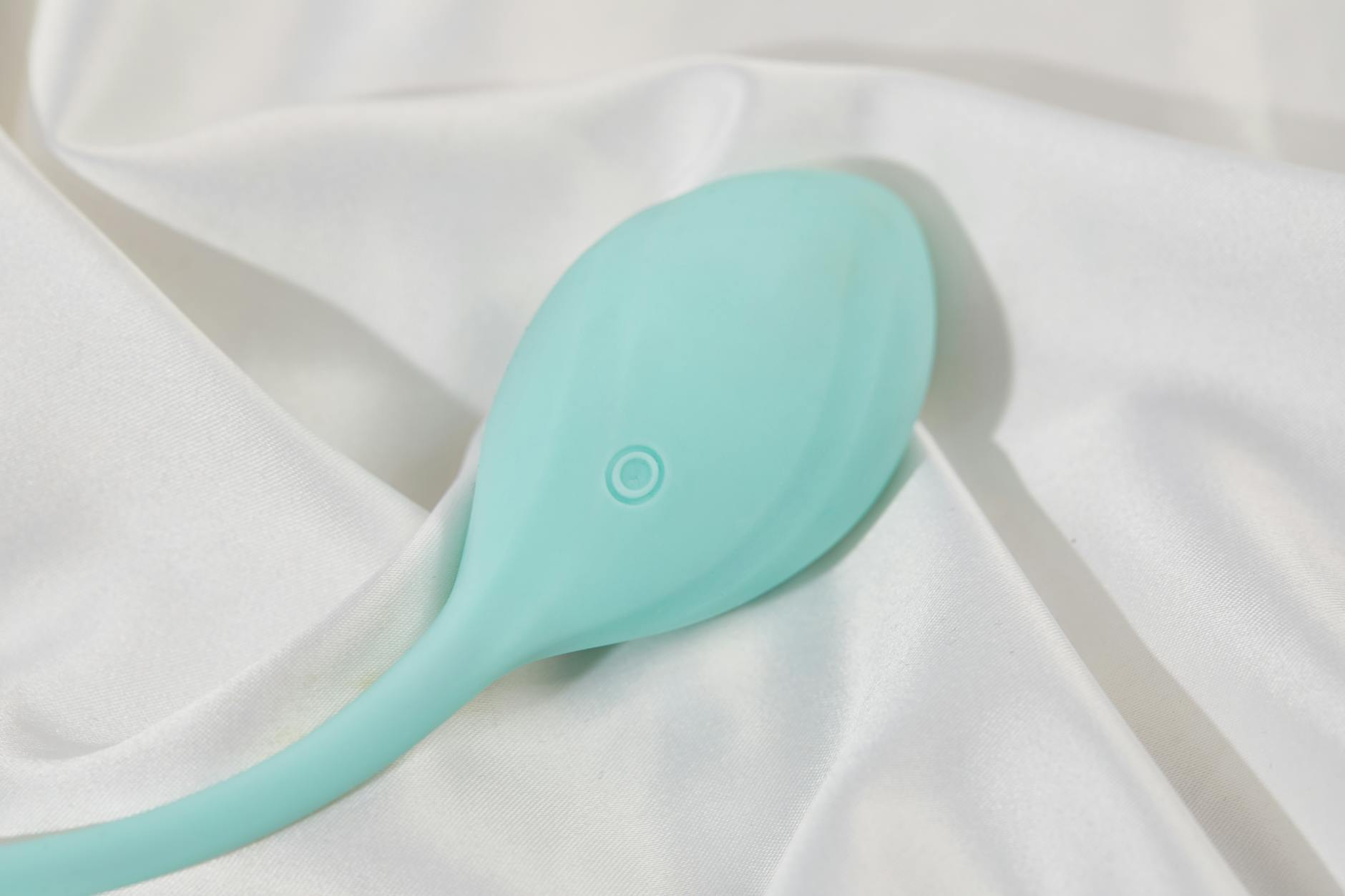
Photo by IFONNX Toys on Pexels
The first time actually using it together
Don't make it a production. Don't say "Okay, tonight we're introducing the toy." That builds pressure and expectations neither of you needs.
Weave it in naturally. You're together, you're getting intimate, and at some point you say something like "Want to try it together?" If the answer is yes, hand it over or guide his or her or their hand to it. Let them hold it. Let them feel how it works. Curiosity is disarming.
Start with the lowest setting. This isn't the time to go full intensity. The lemon clitoral vibrator should feel like an addition, not a takeover. Some partners worry that if they use it "wrong" it won't feel good, so let them experiment. Your job is to give feedback: "A little more to the left. Yes, that." Not criticism. Guidance.
Most important: if he or she or they feel awkward, acknowledge it without making it weird. "This is new for both of us. We'll figure it out." And then move on. Not every first time is perfect. That's normal.
Common fears your partner might have (and how to address them)
"Will she or he or they always need this now?" No. You'll use lemon sexual toys sometimes. Just like you sometimes want oral sex and sometimes don't. This is one option in the toolkit, not a requirement.
"Does this mean I'm not enough?" Stimulation is different than partner quality. Your body responds to specific sensations. That has nothing to do with how much you love or desire them. In fact, many people report better intimacy with partners who aren't defensive about pleasure tools. Less performance anxiety means better sex for everyone.
"What if I can't get her or him or them to orgasm without it?" Then you've learned something useful about how your partner's body works. Some people come easily from penetration or oral alone. Others need additional clitoral stimulation to get there. Knowing this is a gift, not a failure.
The lemon clitoral vibrator as a conversation starter
Here's something I see in my practice all the time: couples who introduce toys together end up talking more openly about sex in general. Not just logistics. Actual desire, fantasy, boundaries, what feels good.
The vibrator becomes permission to ask questions you might have been too shy to ask otherwise. "What would you like to try?" "Is there anything you've been wanting to tell me?" "What turns you on?" These conversations happen more naturally when you've already normalized the idea that pleasure is something you both care about.
Read more on how lemon vibrators can spark conversations in relationships: How Lemon Vibrators Spark Better Conversations About Pleasure in Relationships.
Timing matters more than you think
Don't introduce it during a rough patch. Don't use it as a solution to lagging desire or as a fix for real relationship problems. Those need actual work, not a toy.
Do introduce it when things are already going well sexually. When you're both feeling connected and adventurous. When the baseline is "we like each other's bodies and enjoy having sex." That's the fertile ground for something new to land well.
Also, give it time. You don't need to use the lemon sucker every time. Most couples who use vibrators together find their rhythm organically. Maybe it's weekly. Maybe it's once a month. Maybe it's only when one person specifically asks for it. That's all fine.
What Hello Nancy lemon vibrators bring to new relationships specifically
The design of the lemon clitoral vibrator matters here. It's small enough that it doesn't feel clinical or intimidating. It's not aggressively phallic in shape. The suction mechanism is gentler than some vibration patterns, which means less intensity and a lower barrier to trying it the first time.
Partners often say it feels more accessible than wand vibrators or other lemon adult toys because there's no learning curve. You turn it on, you find the right spot, you enjoy it. The simplicity makes it easier to focus on each other instead of figuring out the equipment.
If your partner says no
It's not a dealbreaker, but it matters. If someone is genuinely opposed to any toys ever, you need to understand why. Is it religious conviction? A past experience? Genuine discomfort with the idea of toys in general? Those are different conversations with different solutions.
But "I'm not ready yet" is different than "Never." Give space for that to shift. Many people who are hesitant the first time become enthusiastic once they experience how good it can feel. Don't push. Just leave the door open.
The aftermath: what to do with the conversation
After the first time, don't over-process it. You don't need a whole debrief. "That was fun" or "I liked that" is enough. If something felt off or you want to adjust something, bring it up casually later, not right after sex when emotions are high.
The goal isn't to obsess over whether it was perfect. The goal is to normalize pleasure tools as part of your intimate toolkit, the same way you'd normalize any other preference or interest.
FAQ: New partners and lemon vibrators
How early is too early to bring it up? After a few good sexual encounters, so you both know you have chemistry. Don't lead with it on the first date or the first time in bed. But also don't wait until you're already in unhealthy patterns. First month or two is the sweet spot.
What if we've already had sex without mentioning it? It's never too late. The conversation is exactly the same. "I've been thinking about introducing a toy" lands fine at week three or week six. Don't feel like you had some magical window.
Can I just leave a lemon vibrator out on the nightstand without talking about it? No. That reads as passive-aggressive or manipulative, even if you don't intend it that way. Have the conversation. Let them know it's coming.
What if my partner wants to use it on me but I feel shy? That's very common. Vulnerability is hard. Start slow. Let them use it on low settings. Close your eyes if that helps. Remind yourself that you're letting someone into something intimate, and that's actually a sign of trust, not weakness.
Is it weird if we use it every single time? Not weird, but worth checking in about. Some couples default to lemon clitoral vibrators because they reliably lead to orgasm, and then partner sex becomes routine. Mix it up. Use it sometimes, not always. Keep the variation alive.
What if my partner gets more turned on by the lemon vibrator than by me? This fantasy worry almost never manifests in real relationships. What actually happens is the toy becomes one tool among many, and your partner stays engaged with you throughout. The vibrator doesn't replace intimacy. It enhances it. If your partner is choosing the toy over you completely, that's a relational issue, not a toy issue.
The real outcome
Most new couples who navigate this well report two things. First, they feel closer. Vulnerability builds connection. Second, they have better sex. Not just more orgasms (though often that too). Better in the sense of more relaxed, more present, less performance-focused.
That's what lemon vibrators actually do in new relationships. They're not a shortcut. They're a signal that both people care enough about pleasure to explore it honestly.
Ready to have the conversation? Start with honesty, follow with curiosity, and remember that your partner's hesitation usually isn't about the toy. It's about what the toy might mean. Address the meaning, and the tool becomes just a tool. A really good one.
If you want to dig deeper into how to navigate pleasure conversations in new partnerships, reach out. That's what I'm here for.